
Traditional timber buildings, the people who make and repair them, and what Japan and the UK can learn from each other.
In partnership with Kominka Collective and Toda Komuten, Aichi, Japan
The buildings
Old folk houses and the knowledge they hold
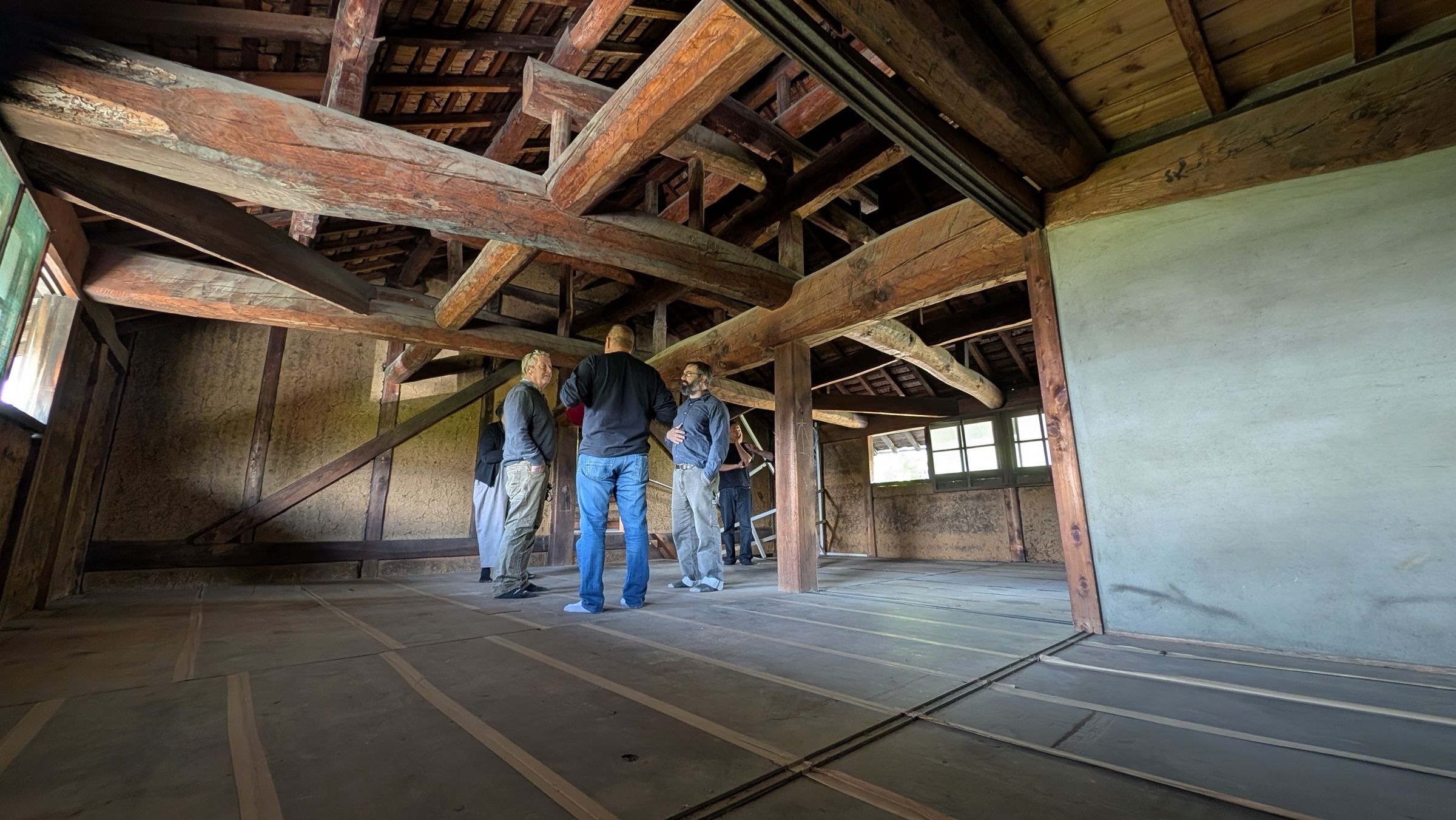
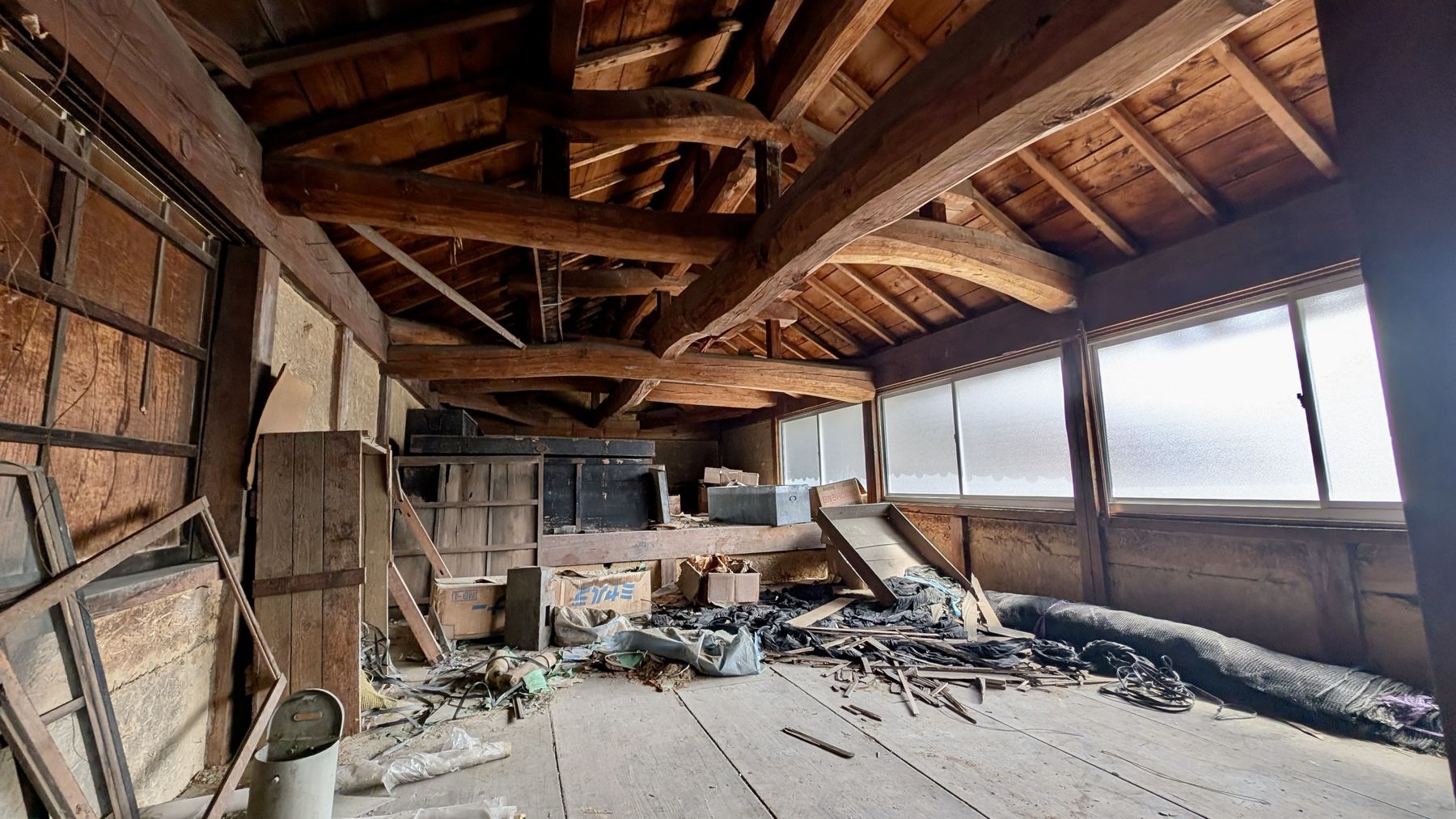
Kominka (ko, old; minka, folk house) are traditional Japanese houses, many from before the 1920s. They were framed in local timbers such as cedar, pine, zelkova and chestnut, joined by carpentry rather than nails, roofed in tile or thatch, and walled with earth over bamboo lattice.
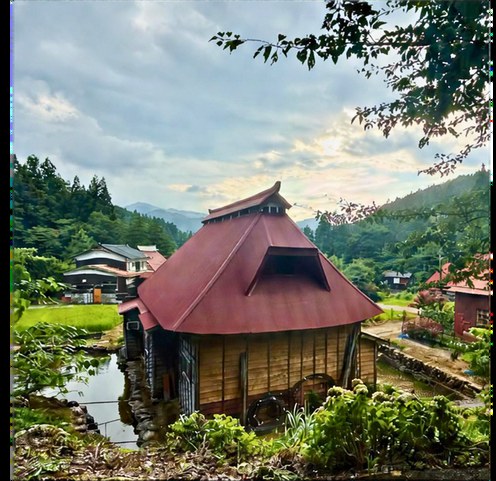
Many now stand empty. As rural communities grow smaller and younger generations move away, the families who inherit these houses are often unable to live in them or to meet the cost of their care. Changing building standards and a falling number of traditionally trained carpenters add to the pressure, and thousands are demolished every year. When a house is lost, so is much of the knowledge of the people who built and cared for it.
See the buildings looking for a new purpose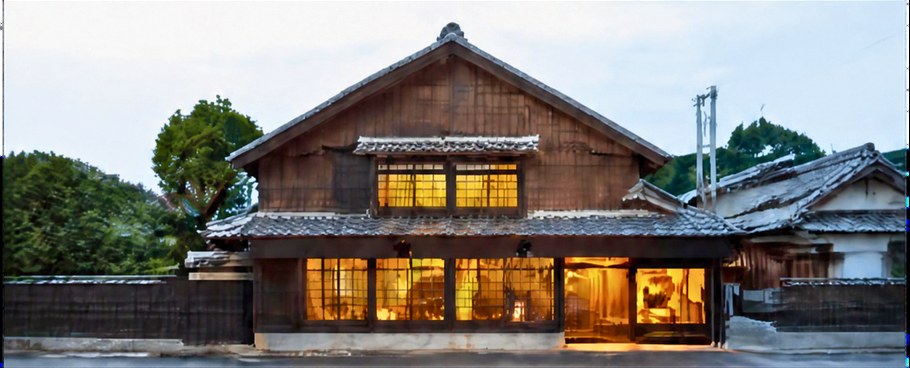
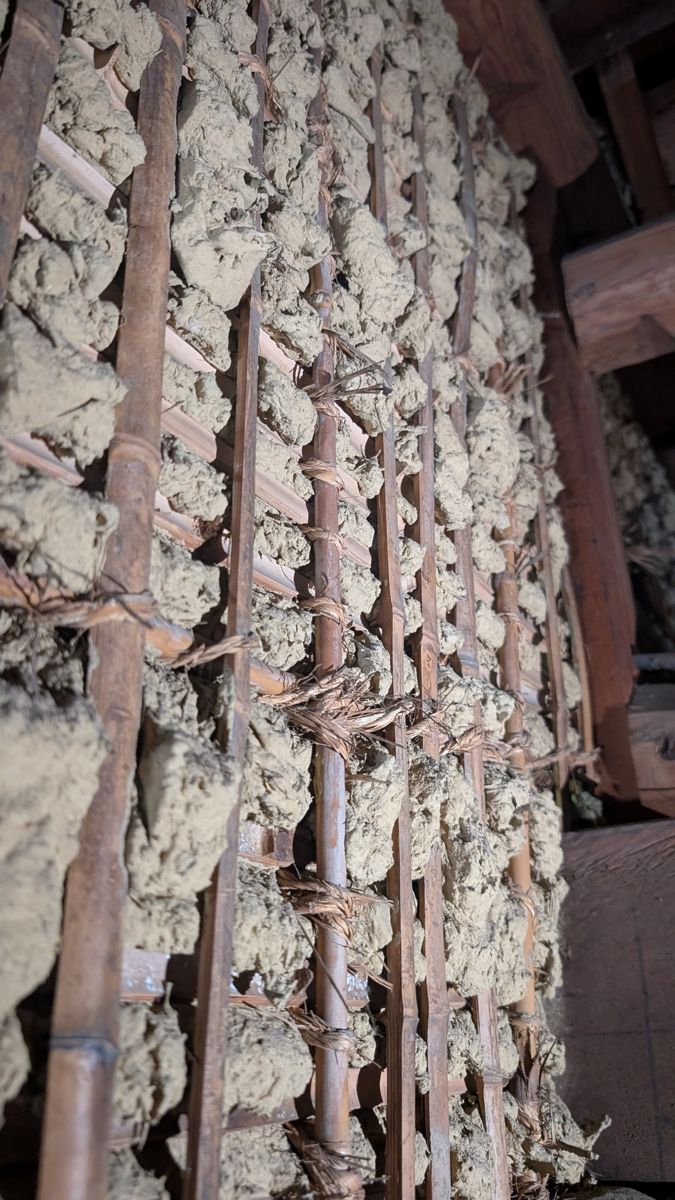
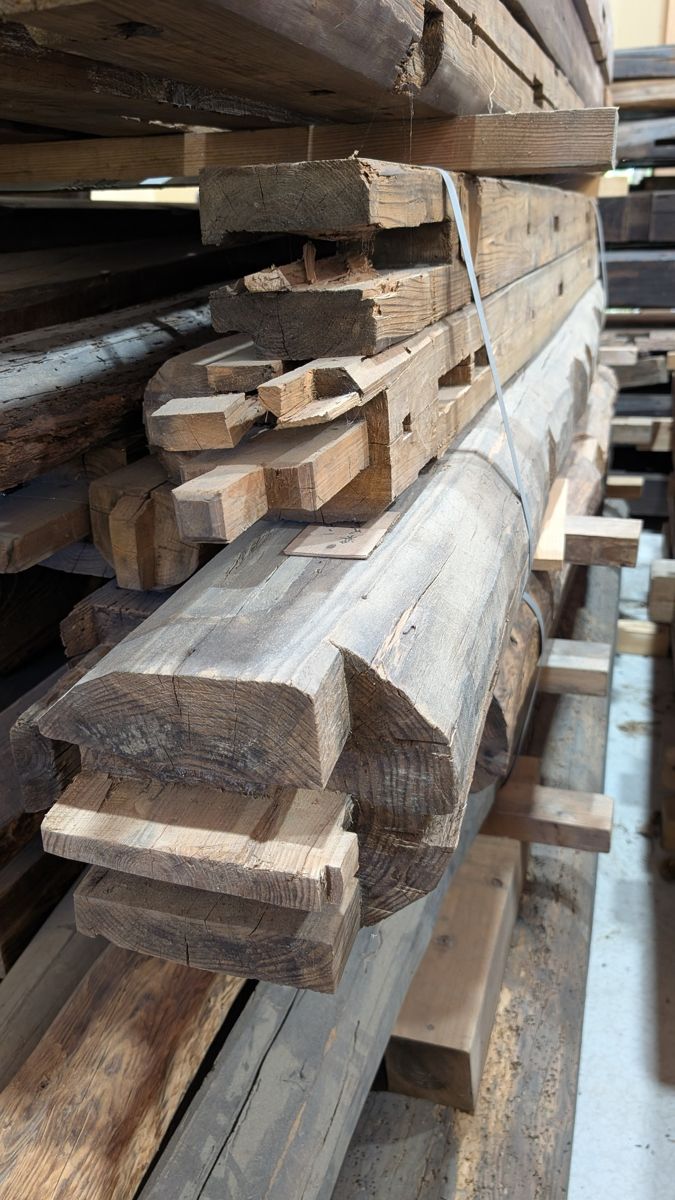
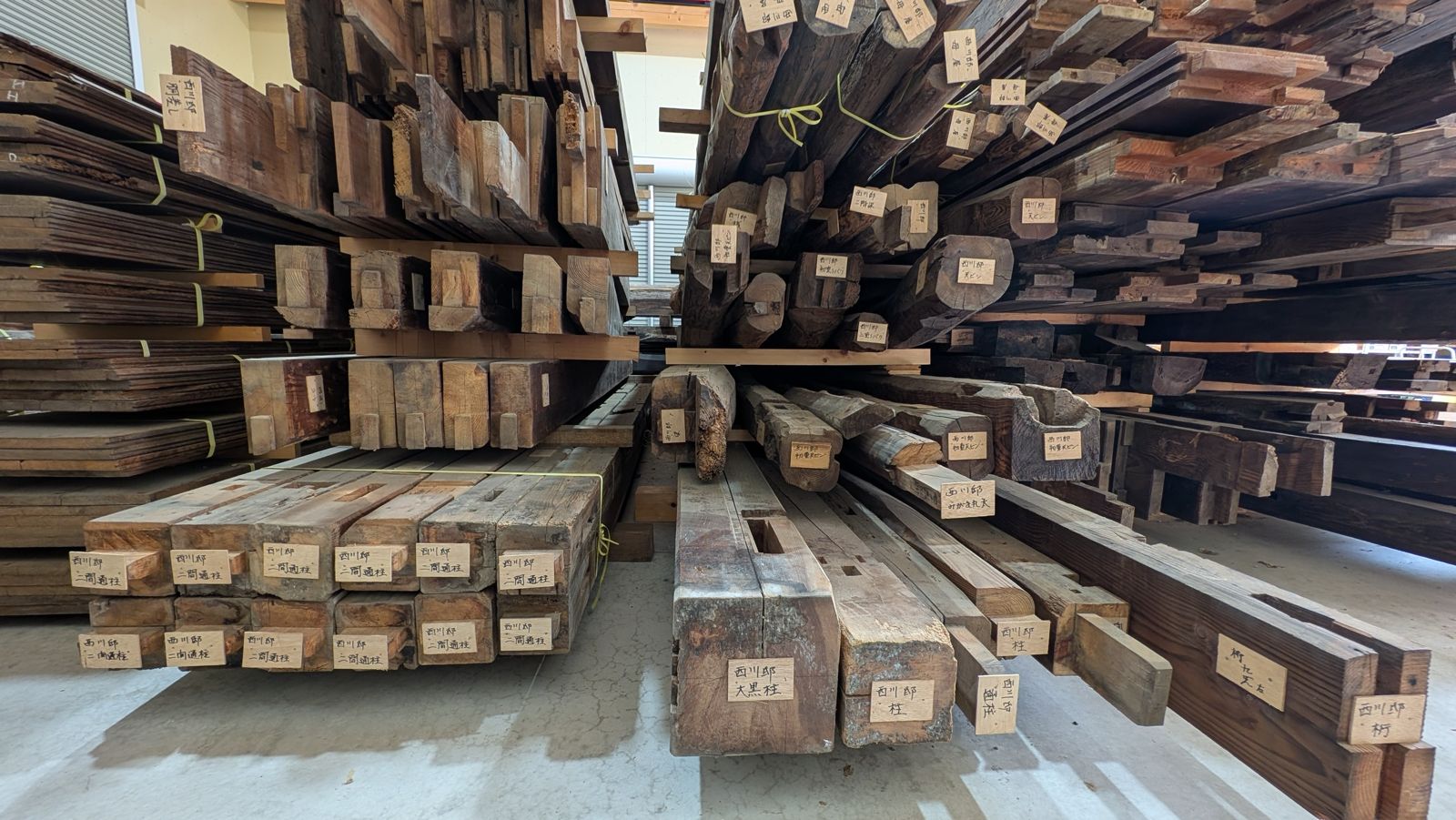
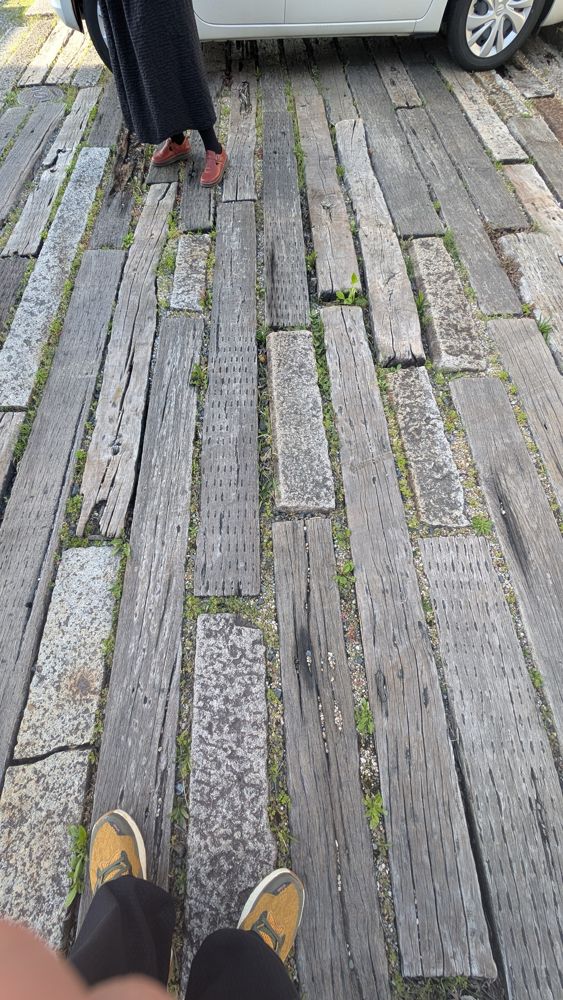
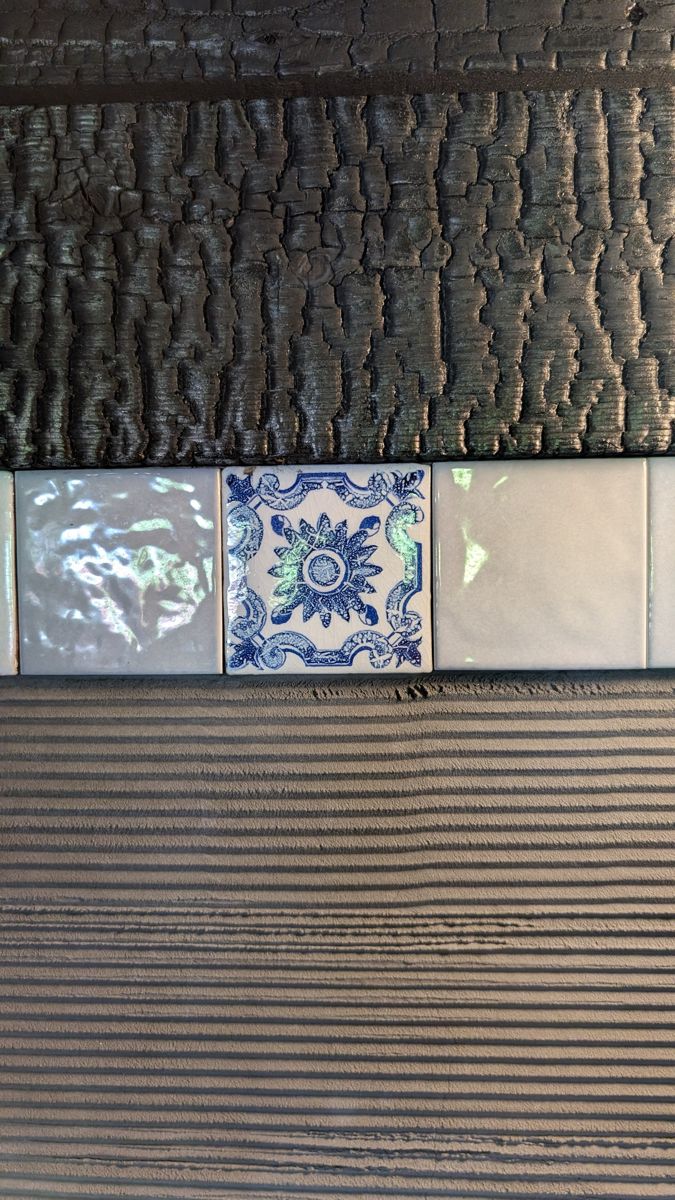
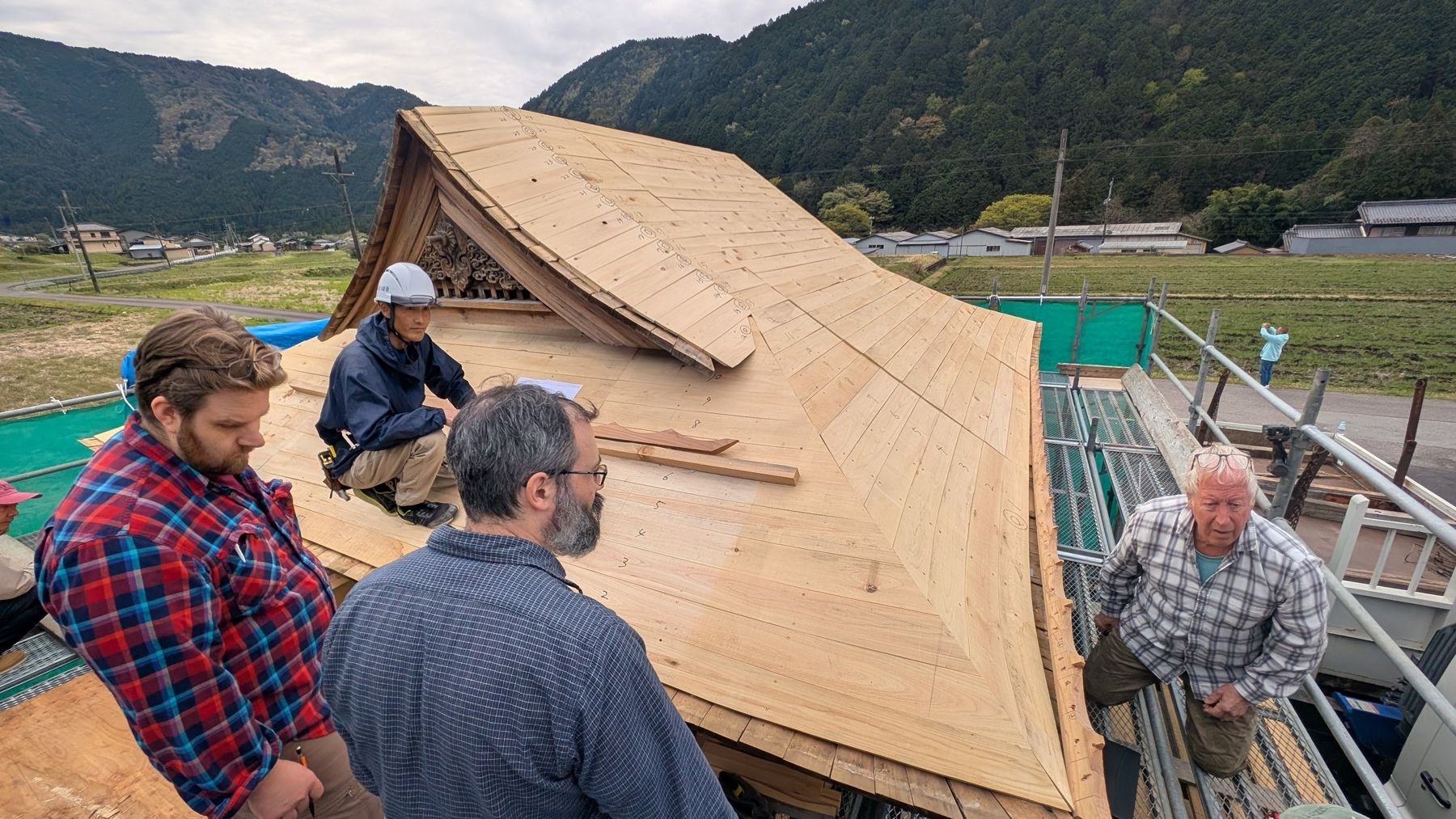
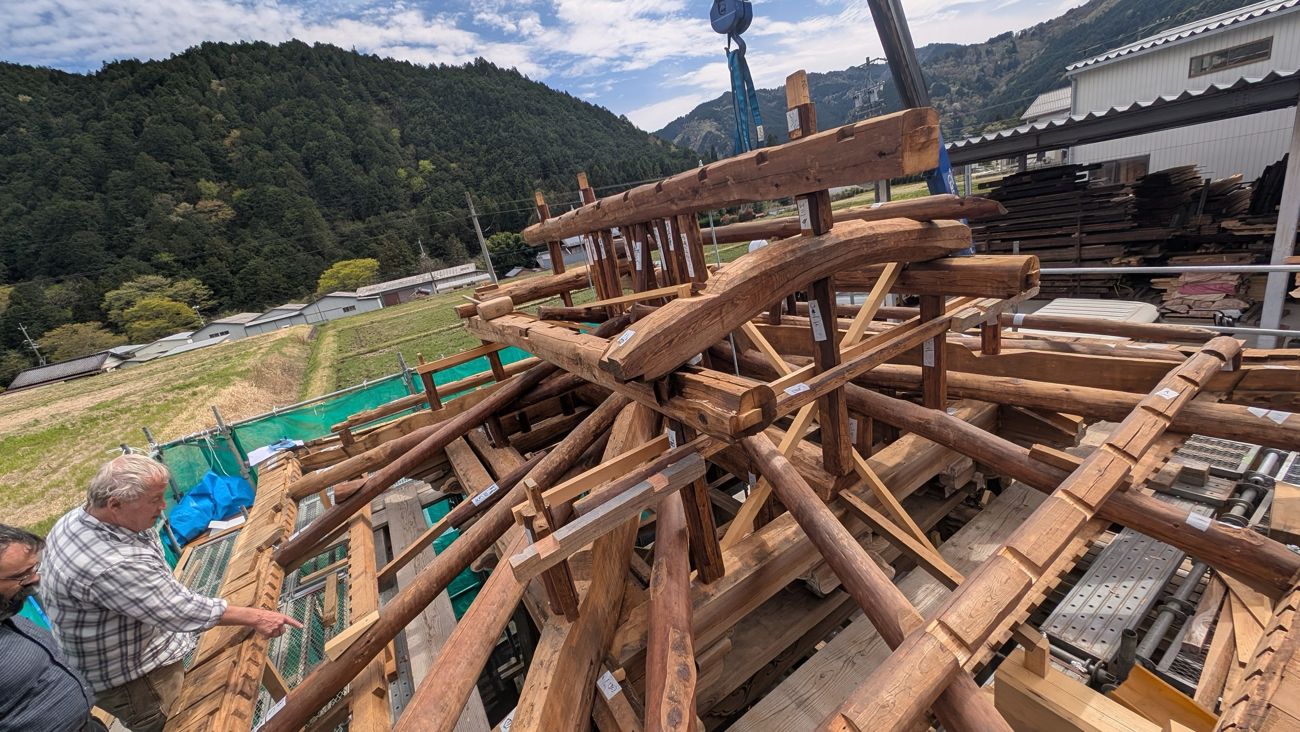
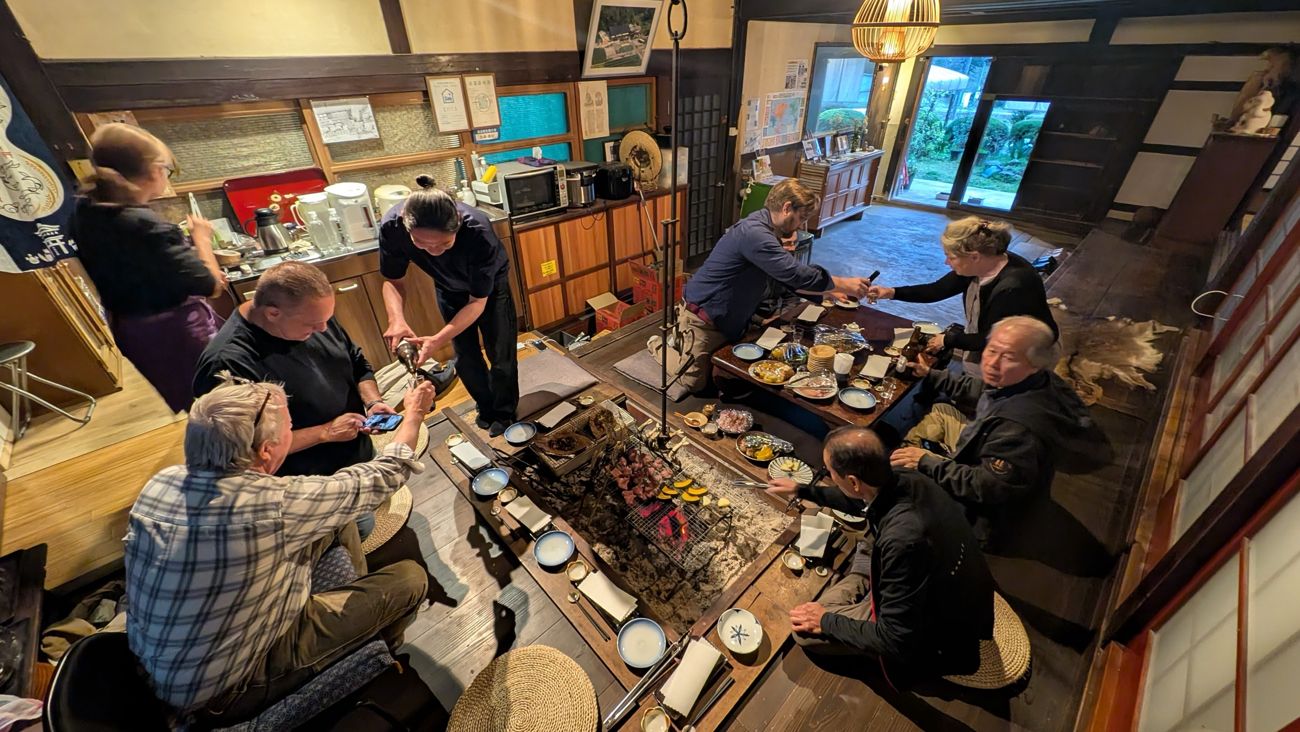
Study tours in Japan · in development for 2027
Seeing the work where it happens
In a timber yard in Aichi, beams and posts from houses that could not stay where they stood are surveyed, numbered and stacked, ready to be used again, alongside their doors, screens and stairs. In a converted kominka nearby, bamboo roof laths have become stair treads. This is what we want visitors to see: a living practice of repair and adaptation.
Kominka Collective already runs architectural study tours, community build programmes and craft exchanges in Japan, introducing visitors to traditional carpentry, thatching, earthen construction, restoration work and historic villages. It has hosted overseas groups including the Timber Framers Guild in 2024.
Building on these, we are working towards UK-facing craft and conservation tours, student field schools and specialist timber-framing visits.
Dates and costs are not yet fixed.
Register interestOur partners
Working together in Japan and beyond
Kominka UK is the UK regional partner of Kominka Collective, Toda Komuten and Kominka Preservation Works. We share a belief that traditional buildings deserve care and respect: that a house should stay where it stands whenever it can, that what cannot be kept whole can still continue in a new place, and that the skills and knowledge of the people who built it are as worth preserving as the timber itself.
Kominka Collective
A Japan-based non-profit working on the stewardship, documentation, relocation and reuse of traditional buildings, including kominka, kura storehouses, temples and shrines.
kominkacollective.comToda Komuten
A fifth-generation design-build company in Shinshiro, Aichi Prefecture, specialising in traditional Japanese construction and preservation. Its workshops and storerooms hold the dismantled frames and reclaimed materials shown here.
todasanchi.comKominka Preservation Works
Carries out project development, coordination and international logistics for relocation projects, bringing together clients, Toda Komuten, craftspeople in Japan and teams overseas.
kominkapreservationworks.comKominka North America
The regional partner in North America, providing local coordination and project support.
kominkanorthamerica.comSupport the work
Partners and sponsors
We would like to hear from heritage organisations, schools of architecture, craft bodies, funders and companies with an interest in Japan who might help make tours, exchanges and teaching possible.
Start a conversation